Sun Care
The Best Lightweight Sunscreen, Compared
A calm, evidence-aware look at lightweight sunscreen. How thin formulas compare, what to check on the label, and how to wear SPF that disappears.
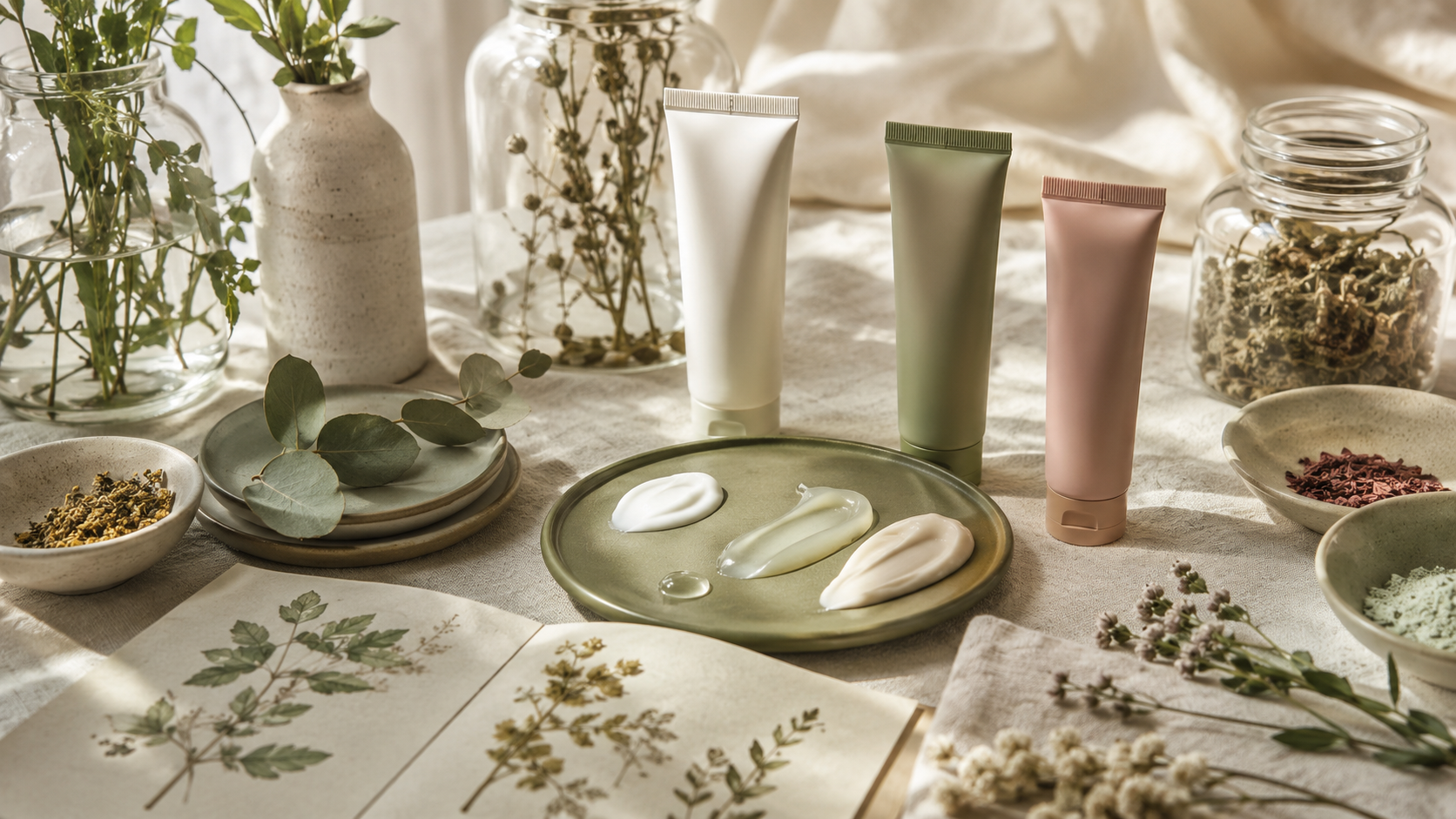
A lightweight sunscreen is one that spreads thin, sinks in quickly, and leaves little weight or shine behind. The best ones still deliver broad-spectrum SPF 30 or higher; the texture changes how it feels, not what it protects against. Comfort matters because a sunscreen you enjoy wearing is the one you will actually reapply.
Why does texture matter for sun protection?
The most protective sunscreen is the one you wear every day, in enough quantity, reapplied when you need it. That last part is where heavy formulas quietly fail people. A thick, greasy layer feels like a chore by midday, so it gets skipped. A thin, breathable one becomes part of your morning without much thought.
The American Academy of Dermatology notes that most people apply far less sunscreen than the amount tested for the SPF on the label, which lowers the protection you actually get. A lightweight texture makes it easier to apply a generous, even layer and to reapply without feeling coated. Think of it as morning light on a bathroom shelf: the goal is something that fits the rhythm of your day, not something that fights it.
Texture and protection are separate questions. A featherweight fluid and a rich cream can carry the exact same SPF and the same broad-spectrum filters. So when you compare lightweight options, you are choosing feel and finish, and then checking that the protection underneath still meets the basics.
What makes a sunscreen feel lightweight?
A few formulation choices tend to produce that thin, fast-absorbing feel.
- Fluid and gel textures. Watery fluids and gel-creams spread thin and disappear faster than balms or thick lotions. Many are built for layering under makeup.
- Chemical (organic) filters. Filters like avobenzone or, where available, newer-generation filters tend to feel lighter and more transparent than high loads of mineral filters. The U.S. Food and Drug Administration regulates which sunscreen active ingredients are permitted in the United States, and the available list is narrower here than in some other regions.
- Refined mineral formulas. Mineral sunscreens can be lightweight too, when zinc oxide or titanium dioxide is finely milled and balanced with light emollients. They simply take a little more care to formulate well.
- Lower occlusive load. Fewer heavy oils and waxes mean less of that sealed-in, shiny feeling. The trade-off can be slightly less cushioning for very dry skin.
None of these make a sunscreen better at blocking ultraviolet light. They make it more pleasant, which, over a season, may matter just as much.
The best lightweight sunscreen types, compared
There is no single winner, because “lightweight” feels different on dry, oily, and reactive skin. Here is how the main categories compare so you can match one to your skin.
Light mineral fluids
Best for: sensitive or reactive skin that still wants a thin feel. Modern mineral fluids use finely milled zinc oxide and titanium dioxide, which sit on the skin’s surface and are generally well tolerated. The trade-off is that very high mineral loads can leave a faint cast on deeper skin tones, so look for tinted versions or sheerer formulas. Our guide to the best mineral sunscreen walks through how these are built and who they suit.
Chemical (organic) fluids and gels
Best for: normal to oily skin that wants the thinnest possible finish under makeup. These absorb light into the filter and tend to feel almost invisible. They can occasionally sting sensitive eyes or react on very reactive skin, so a patch test is wise.
Hybrid lightweight lotions
Best for: combination skin. These blend mineral and chemical filters to balance feel and finish. They are a sensible middle ground when you are not sure which camp your skin falls into.
Lightweight tinted formulas
Best for: anyone who wants a touch of evenness without a heavy base. A tint also helps mask any mineral cast and adds protection against visible light. Our notes on the broader best sunscreen for the face cover how tint and finish interact with daily wear.
[!info] Gentle Notes Lightweight does not mean low-effort on quantity. You still need roughly a quarter-teaspoon for the face alone, applied as the last skincare step and before makeup. A thin formula simply makes that amount easier to wear.
How do you choose and wear a lightweight sunscreen?
A slow, watchful approach works best, the same way you would fold any new product into a routine.
- Check the label first. Confirm it says broad spectrum and SPF 30 or higher. Texture is secondary to those two words.
- Match it to your skin. Oily skin tends to prefer gel-fluids; dry skin may want a lightweight lotion with a little more cushion; reactive skin often does best with a refined mineral fluid.
- Patch test for a few evenings. Apply a small amount along your jaw for three to five nights before wearing it all over. Watch for stinging, redness, or small bumps.
- Apply a generous, even layer. A thin texture invites under-application. Use enough to coat the skin, not just glaze it.
- Reapply through the day. Sun protection wears down with time, sweat, and touch. The AAD recommends reapplying about every two hours outdoors, and a lightweight formula makes that far less of a chore.
- Pause if your skin protests. Persistent redness or breakouts are a signal to stop, rest, and try a different formula later.
A ritual does not need to promise everything to be worth keeping. A lightweight sunscreen earns its place by being the one you reach for without sighing. If you would like a wider frame, our holistic skin care routine guide shows where sun protection sits among the other gentle steps.
A grounded takeaway
The best lightweight sunscreen is the broad-spectrum, SPF 30-or-higher formula whose texture suits your skin well enough that you wear it generously and reapply without complaint. Gel-fluids suit oily skin, refined mineral fluids suit sensitive skin, and hybrids and tinted versions sit comfortably in the middle. The useful question is not which one sounds most advanced, but which one fits your skin, your day, and your life. If a symptom or skin concern goes beyond comfort, a dermatologist is the right person to ask.
Related reading
- The Best Mineral Sunscreen, Compared
- The Best Sunscreen for Your Face
- A Gentle Holistic Skin Care Routine
Sources
- “Sunscreen FAQs”, American Academy of Dermatology, Dermatology guidance on quantity, reapplication, and choosing a sunscreen.
- “Sunscreen: How to Help Protect Your Skin from the Sun”, U.S. Food and Drug Administration, Regulatory overview of permitted sunscreen filters and label terms.