Sun Protection
Tinted Moisturizer With SPF: How to Choose One
A gentle guide to tinted moisturizer with SPF: protection, coverage, reapplication, skin tone match, and when to add sunscreen.
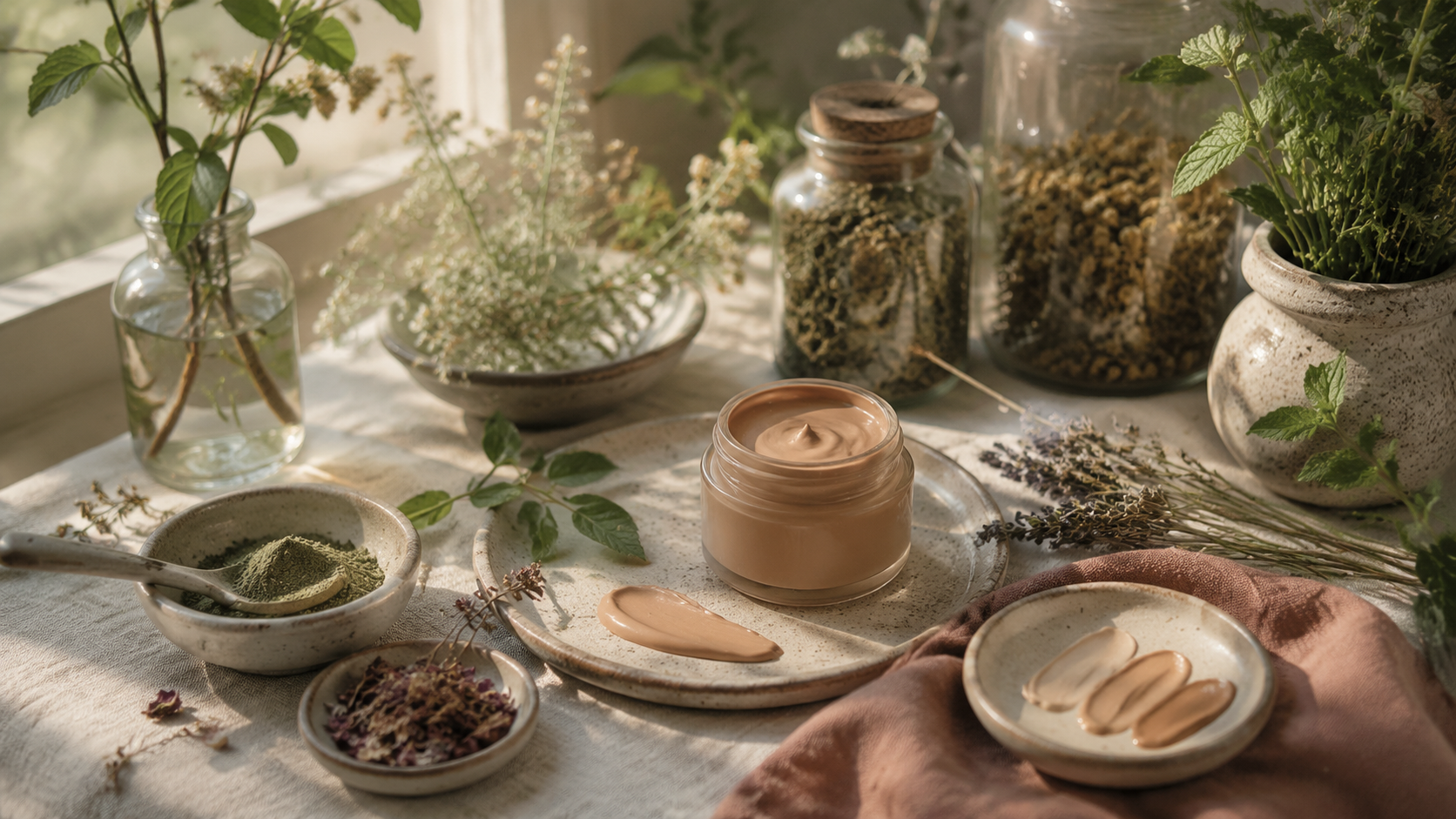
Tinted moisturizer with SPF can be useful for light coverage and daily protection when it is broad spectrum, SPF 30 or higher, and applied generously. It is not enough if you use it like makeup in a sheer layer or rely on it all day without reapplication.
What should you understand first?
Tinted moisturizer with SPF sits between makeup and sunscreen. That is why people like it, and also why it gets misunderstood. The coverage can make skin look even, but the SPF only means what the label says if you apply a sunscreen-sized amount.
The useful starting point is not a perfect product category. It is the everyday condition the product has to survive: your skin tone, your sensitivity level, whether you wear makeup, how much sun exposure you get, and whether the formula makes you use less than you need. A sunscreen that lives in the drawer is not helping you.
For most daily routines, keep the core standard plain: broad-spectrum protection, SPF 30 or higher, and enough comfort that you can apply a real layer. The American Academy of Dermatology and the FDA both emphasize broad-spectrum sunscreen and regular reapplication, especially with outdoor exposure.
How do you choose without overworking your skin?
Choose by protection first, then finish. If you would never apply enough tinted moisturizer to meet sunscreen use, treat it as makeup over a separate sunscreen. If you do apply a generous layer, it can be a practical low-fuss morning step.
Use this small filter before you buy:
- Check broad spectrum and SPF 30 or higher.
- Match the shade in daylight so reapplication does not feel awkward.
- Use separate sunscreen for long outdoor exposure.
- Do not count foundation SPF unless you apply sunscreen-like amounts.
If your skin is reactive, change one variable at a time. A new sunscreen, a new acid, and a new moisturizer in the same week leaves you guessing if something stings. Patch testing is not glamorous, but it is a quiet way of letting your skin answer before your whole face has to.
What common mistakes should you avoid?
The mistake is letting the tint make you cautious with amount. A tiny complexion-perfecting layer may look good, but it does not behave like full sunscreen coverage. Skin care and makeup can share a bottle, but physics still asks for enough product.
A second mistake is treating labels as guarantees. “Mineral,” “clean,” “natural,” “dermatologist recommended,” and “sensitive skin” can be useful clues, but they are not promises. The ingredient list, the finish, and your own skin response still matter. If a product burns, pills, or makes you avoid reapplication, that is useful information.
Gentle Notes. The goal is not to build a shelf that looks correct. The goal is to build a routine your skin tolerates and your real day can repeat.
How does this fit into a daily routine?
Apply it in two thin passes rather than one heavy streaky layer. Blend lightly, let it settle, and keep a reapplication plan for outdoor days. If you prefer more coverage, use dedicated sunscreen first and makeup second.
Keep the morning routine small: cleanse if you need to, moisturize if your skin asks for it, then apply sunscreen as the last skin-care step before makeup. If the article topic is an active ingredient, use sunscreen even more consistently, because irritation and sun exposure can turn a promising product into a source of new discoloration.
When should you ask a dermatologist?
Ask for help when burning, swelling, persistent redness, dark patches, or new spots keep changing despite a gentle routine. A dermatologist can tell whether you are dealing with irritation, melasma, acne marks, rosacea, or something else. That distinction matters because the right next step changes with the cause.
If your main concern is dark spots, read our tinted sunscreen guide and broad-spectrum sunscreen explainer alongside this post. If your skin reacts easily, our natural facial care at home guide keeps the routine slower and kinder.
Related reading
Sources
- Sunscreen FAQs, American Academy of Dermatology. AAD guidance on broad-spectrum SPF, application, and reapplication.
- Sunscreen: How to Help Protect Your Skin from the Sun, FDA. FDA consumer guidance on sunscreen labels and sun protection measures.
- Melasma: Self-care, American Academy of Dermatology. AAD guidance on sunscreen, visible light, tinted sunscreen, and dark spots.